Quick Enquiry
In Vitro Fertilization Treatment in India
What do you mean by In Vitro Fertilization?
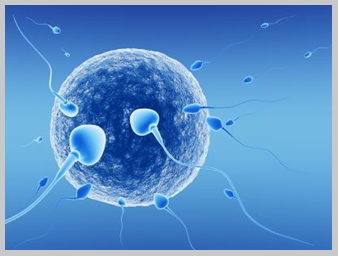
In Vitro fertilization (IVF) is the fertilization of a woman’s egg with a man’s sperm externally (outside the body in a laboratory). In vitro" is a Latin term literally meaning "in glass". It refers to the glass container in the laboratory where fertilization takes place - hence the term "test tube baby", although in reality it is usually a culture dish.
The process of in vitro fertilization is often considered by couples going through infertility. In Vitro Fertilization begins with drugs and hormones, used to stimulate a woman’s ovaries into producing mature eggs. It is a big decision and many things need to be considered before moving forward.
There is no doubt that IVF technology represents one of modern medicine’s success stories. IVF, help couples who could never had a baby with any other technique to start their own family.
What is Infertility?
A couple is said to be infertile when they are unable to conceive a child after 12 months of regular sexual intercourse without birth control. Infertility can be caused by a wide variety of factors. One-third of the time the problem lies with the male, one-third of the time it lies with the female, and one-third of the time infertility is caused by problems with both the male and the female.
There are many types of fertility treatments for those who are having difficulty conceiving a child. Here are eight types of infertility treatments
- In vitro fertilization (IVF)
- Sub-zonal insemination (SUZI)
- Micro-insemination sperm transfer (MIST)
- Intracytoplasmic sperm injection (ICSI)
- Gamete intra-fallopian transfer (GIFT)
- Zygote intra-fallopian transfer (ZIFT)
- Micro-epididymal sperm aspiration (MESA)
- Testicular sperm extraction (TESE)
Who is a Good Candidate for IVF Procedure?
Although it was originally designed for treatment of women with tubal disease, in-vitro fertilization (IVF) can help couples overcome various types of infertility, especially couples who have not experienced success with less invasive infertility treatments. Couples who have tried ovulation induction and IUI without success may also go on to try IVF. Suitable IVF candidates may include those who have:
- Damaged or Blocked fallopian tubes
- Pelvic inflammatory disease
-
Endometriosis (leaking of the uterine wall into the abdominal area during menstruation)
- Polycystic Ovarian Syndrome (PCOS)
- Cervical mucus problems
- Male factor infertility
- Unexplained infertility
-
Genetic diseases (that can be screened with PGD genetic testing)
- Ovulation disorders
- Low sperm count or other sperm problems
- At least one accessible ovary
- A normal uterus

What are the Advantages of IVF Treatment?
IVF is a major treatment in infertility when other methods of assisted reproductive technology have failed. For the infertile couple, the benefits of IVF are tremendous. Following are some of the advantages of In vitro Fertilization;
-
One of the most obvious benefits of in vitro fertilization is that it can help an infertile couple to have a baby. Men and women that suffer from various infertility conditions can successfully undergo IVF treatment.
-
In women under 35 years of age, IVF has the highest pregnancy rates of any assisted reproductive technique. It also has excellent success rates for a woman in her late 30’s and 40’s using egg donors.
-
This treatment option gives women with blocked, damaged or missing fallopian tubes (the normal route for the egg to travel from the ovary to the uterus)
-
The success rates for IVF treatment depend on the fertility clinic, the age of the patient, and other factors. In general, younger women with a good reserve of eggs have the best IVF success rates.
-
IVF in conjunction with ICSI may be helpful in cases of poor sperm quality, compromised motility or low sperm counts maximizing the chances of conceiving quickly.
-
Donor sperm and eggs are sometimes used as well, so this is another benefit if the couple is not able to use the man's sperm or the woman's eggs for some reason
-
A recent study has revealed that children who were conceived through in vitro fertilization were monitored from birth until ages five, were shown to be as healthy as children who were conceived naturally making IVF Treatment one of the most sought after and safe fertility treatment.
What are the Preparations for IVF Treatment?
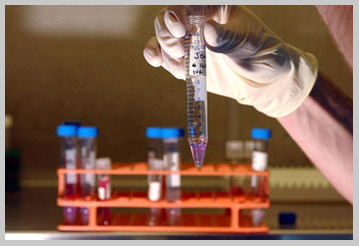
IVF has the potential to be an emotionally, physically, and financially exhausting experience due to the “high stakes” and “end of the line” nature of the treatment. Thus, patients need to consider thoughtful preparation before beginning the process.
Woman should prepare at least 2 months before her IVF cycle. You should begin preparing your body for IVF treatment as soon as you make the decision to go ahead with the procedure. Following are some of the preparations that might increase your chance of success and the earlier you begin, the more impact the chances will have.
-
Start taking Vitamins & Supplements
-
Reduce intake of caffeine
-
Stop smoking and alcohol consumption
-
Avoid chocolate, sugary foods, salty snacks, processed foods, tea, cola and all fizzy drinks.
-
Consume a well balanced diet, high in healthy proteins, wholegrain, veggies and fruits
-
Drink at least 8 glasses of water everyday
-
In case of being overweight or obese, get rid of some excess weight
-
Exercise everyday like walking, gentle swimming and yoga for a more balanced and healthy body
What is the Procedure for IVF Treatment?
The primary objective of IVF or in vitro fertilization is to achieve the fertilization of an egg outside a woman’s womb by using artificial means. There are five major steps in the IVF and embryo transfer sequence -
-
Monitor the development of ripening egg(s) in the ovaries
-
Collection of eggs
-
Obtaining the sperm
-
Putting the eggs and sperm together in the laboratory, and providing correct conditions for fertilization and early embryo growth
-
Transferring the embryos into the uterus
The IVF procedure essentially begins with initial check-ups, which are done to analyze the condition of health of the would-be-mother, arrive at concise dates for the menstruation cycle and ascertain whether the patient is not allergic to any medicine or injection, which will be administered during the process of treatment.
To summarize, the IVF procedure consists of:
-
Controlled Ovarian stimulation with drugs (GNRH Analogues and Gonadotrophins) to produce many eggs
-
Monitoring of follicles and egg development with the aid of vaginal sonography and serial Estradiol hormone estimation
-
Administration of HCG injection, (Human Chorionic Gonadotrophins) when the two leading follicles are 18mm in diameter
-
Oocyte or egg retrieval under short general anesthesia, 35 to 37 hours after HCG injection
-
Identification and isolation of eggs in the laboratory
-
Sperm collection and processing in the lab
-
Fertilization of the egg with the sperm
-
Embryo formation 2 to 5 days after fertilization
-
Embryo transfer of good quality embryos back to the womb, after 2(four cell embryo), 3 (six-eight cell embryo) or 5 (blastocyst stage) days after egg removal
How Successful is IVF Treatment?
Success rates for In Vitro Fertilization and all infertility treatments, varies widely and is contingent upon a variety of factors. The success rate depends on a number of factors including patient characteristics and treatment approaches. It is also important to realize that pregnancy rates do not equate to live birth rates.
IVF technology in India has evolved by leaps and bounds providing help to many couples to have their baby no matter what their medical problem. The success rate of pregnancy associated with this treatment ranges between 15-30%.
What are the Disadvantages of IVF Treatment?
The disadvantages of IVF are as follows;
- Technically demanding
- Various Side effects at different times in the IVF process
- Risk of multiple pregnancy
- Transfer of embryos to the uterus can cause mild cramping.
- Psychologically stressful
- Miscarriage
- Risk of ectopic pregnancy
- Very expensive cost
Why consider India for your IVF Treatment?
-
There are several reasons why a couple may consider IVF in India. The first is frequently the high cost of IVF at their hometown, compared with often far-lower price in India. It is possible to reduce the cost of IVF treatment by more than 30%, by coming to India for fertility treatment.
-
IVF treatment often costs tens of thousands of dollars in the US, so the advantages of coming all the way to India are obvious. Even with the added expense of transport, accommodation and food, many people find that it is still cheaper to get IVF treatment in India. In some cases, the cheaper cost also allows a couple to try the treatment several times if the first is not successful.
-
IVF Treatment in India is available at an affordable price at various fertility clinics and hospitals in cities like

Mumbai |
Hyderabad |
Kerala |
Delhi |
Pune |
Goa |
Bangalore |
Nagpur |
Jaipur |
Chennai |
Gurgaon |
Chandigarh |
What is the Cost of IVF Treatment in India?
IVF treatments are performed all over the globe and the fees vary from place to place dependents on where you are.
Why is In Vitro Fertilization so much less expensive in India as compared to the US, even though we use exactly the same technology and the same equipment and culture medium as labs in the US do? The answer is simple -- Indian doctors charge much less than doctors in the US -- and this is why IVF treatment is such a bargain in our clinic.
These costs include:
- all ultrasound scanning
- in-hospital costs (for the oocyte collection)
- anaesthetic fees (for the oocyte collection)
-
fees for the Infertility Specialist (for all procedures, including the oocyte retrieval and embryo transfer)
-
All IVF laboratory costs during the IVF treatment cycle (including the oocyte retrieval, sperm preparation, embryo culture and embryo transfer).
Procedure |
India |
UK |
USA |
Singapore |
Australia |
IVF Treatment(Appx) |
$ 1,800 |
$ 14,000 |
$ 15,000 |
$ 10,000 |
$ 7,000 |
Some of the common countries from which patients travel to India for surgery are:
USA |
UK |
Canada |
Australia |
New Zealand |
Nigeria |
Kenya |
Ethiopia |
Uganda |
Tanzania |
Zambia |
Congo |
Sri Lanka |
Bangladesh |
Pakistan |
Afghanistan |
Nepal |
Uzbekhistan |